Toxic Mold Removal in Bethalto, IL
Mold is removed from drywall, insulation and affected surfaces in your Bethalto property. Call 24/7 to arrange your assessment and cleanup.
- Moisture and damage checked
- Containment with HEPA filtration
- Cleanup based on site conditions
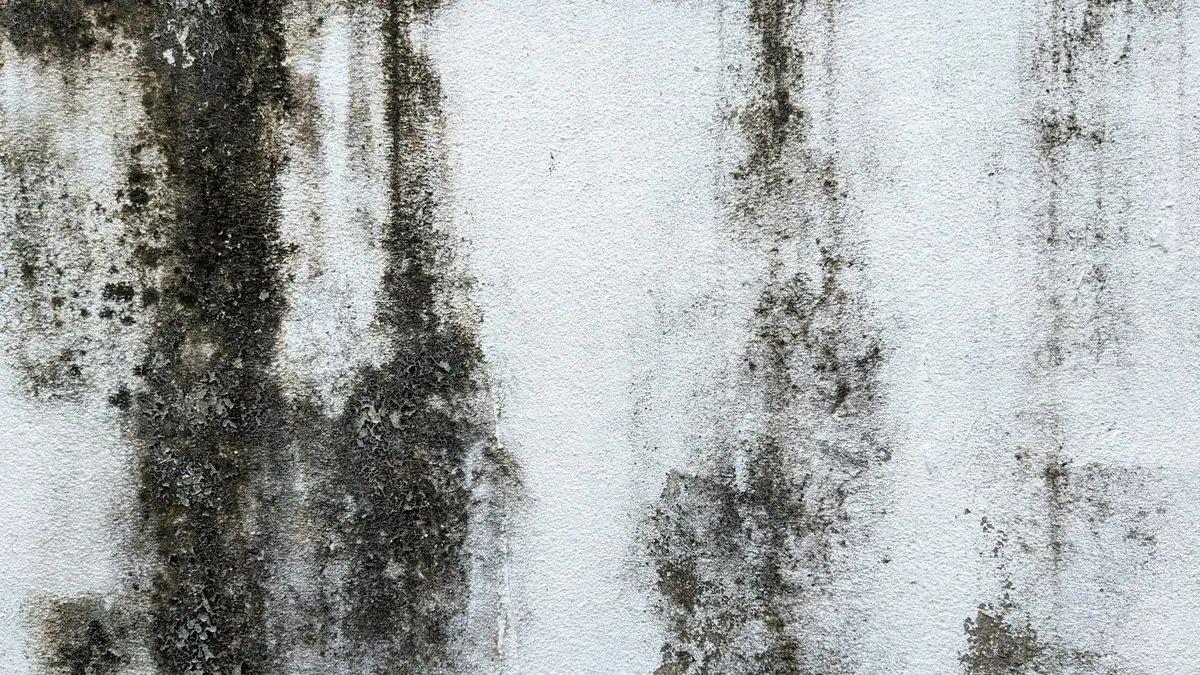
Toxic Mold Removal Services in Bethalto
Your cleanup covers moldy walls, ceilings and hidden dampness. Damaged drywall and insulation are removed where needed, while sound framing and non-porous surfaces are cleaned and dried.
The labels toxic mold and black mold describe searches, not a finding of danger. Your cleanup follows moisture conditions and damage. According to CDC, the color of mold does not show how risky it is.
Mold type alone, even Stachybotrys chartarum, does not establish your personal risk. Your inspection tracks water intrusion, and a written scope defines the cleaning and containment work with repairs specified separately.
- Moisture assessment behind visible growth
- Contained drywall and insulation removal
- Hard surfaces and sound wood cleaned
- HEPA filtration during controlled work
- Drying and post-remediation verification
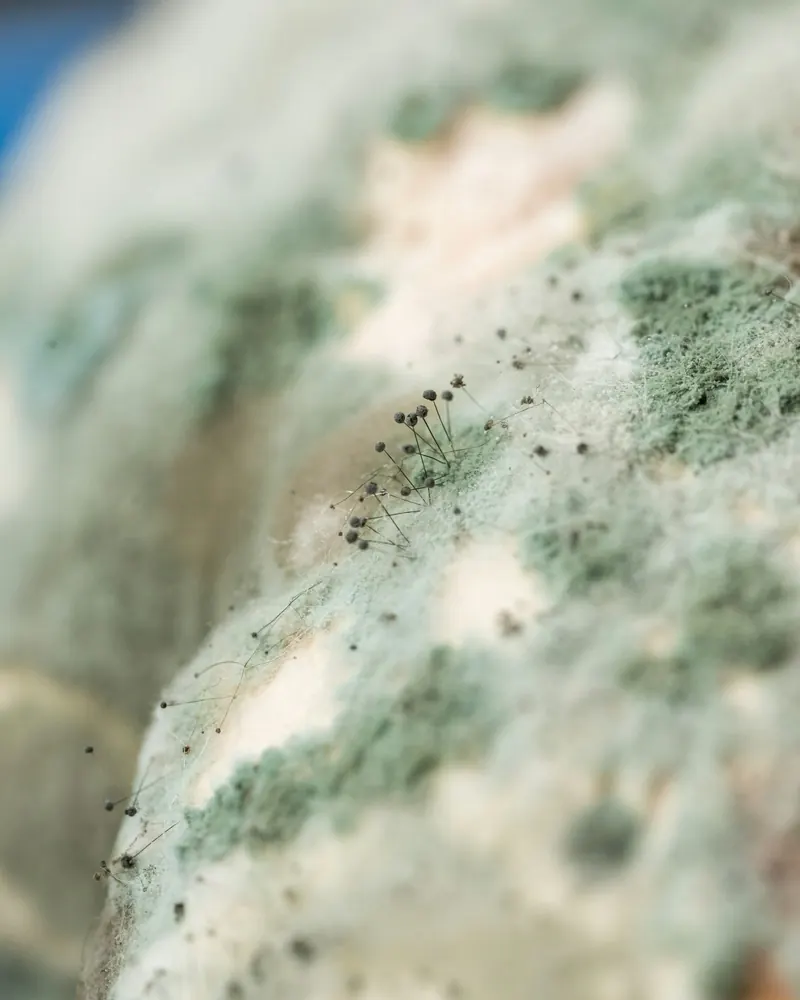
Signs You Need Toxic Mold Cleanup
Assess your recurring mold, musty odor and damp materials without using color to decide.
Toxic Mold Concerns After a Leak
Your walls remain damp, with visible growth after plumbing or roof water intrusion.
Musty Odor in Adjacent Rooms
Persistent smells near shared walls can accompany hidden growth.
Spots Returning After Cleaning
Recurring wall patches appear as your underlying dampness problem persists.
Dark Growth on Drywall
Patches near pipes, baseboards or ceiling joints can accompany hidden dampness.
Soft Wallboard or Peeling Finishes
Swollen drywall and damaged ceiling tiles can mark materials needing removal.
Understanding Toxic Mold Removal in Bethalto
Your mold removal process moves from assessment through contained cleanup and verification.
Mold Inspection and Moisture Mapping
Visible growth and adjacent rooms are assessed. A moisture meter checks damp materials and helps locate hidden damage.
Moisture Source and Work Scope
Sources of leaks and condensation are located. Removal starts after your scope specifies moisture corrections, affected materials and repairs treated separately.
Toxic Mold Containment
Poly sheeting makes up the containment barrier. Protective equipment, negative air pressure and a HEPA air scrubber limit the spread of mold spores.
Controlled Drywall Removal
Unsalvageable drywall, insulation and other porous materials are bagged inside containment. The cleanup crew protects your debris route.
Cleaning Retained Surfaces
Hard surfaces and sound framing undergo HEPA vacuum cleaning as well as surface cleaning. You cannot substitute antimicrobial treatment for mold removal.
Drying and Moisture Control
Retained materials dry with drying equipment such as a dehumidifier and, where appropriate, controlled air movers. Along with moisture correction, moisture readings monitor progress.
Verification Before Reopening
Containment stays up until cleaning and drying have been checked. When specified, clearance testing comes from an independent assessor; verification precedes replacement materials.
Why Choose St. Louis Mold Removal Services for Toxic Mold Removal
Contained Removal and HEPA Filtration
Containment and a protected debris route limit particle spread during removal.
Toxic Mold Concerns With a Clear Scope
The condition of your materials determines scope without using color as a danger indicator.
Moisture Before Replacement Finishes
Repairs to walls wait for defined moisture corrections before covering damp areas.
Calls About Toxic Mold Cleanup Answered 24/7
Across the metro, start your assessment using one number during nights, weekends or other times.
Removal Through Final Checks
Before dismantling containment, finish the agreed verification along with cleaning and drying.
Preparing for Toxic Mold Cleanup in Madison County
Keep affected materials undisturbed while your assessment is arranged.
- Leave damaged walls intact. Avoid scraping growth, sanding stains or removing any drywall.
- Keep people away from the work area. Keep your children and pets away from affected materials.
- Avoid wet electrical equipment. Avoid standing water beside wiring, appliances or electrical outlets.
- Keep suspect HVAC equipment off. EPA says a contaminated system can spread mold through your building.
- Avoid blowing air across growth. Never direct a household fan into an open wall or toward moldy materials.
Your Toxic Mold Removal Cost in Bethalto
Your cost depends on access and the damage involved. These nationwide figures apply to black mold work or general remediation, without a separate toxicity classification. Removal ranges represent alternatives and should not be summed. Cleanup and inspection are distinct services.
Average Removal for Black Mold (Stachybotrys chartarum)
$800 to $7,000 per jobSource: Fixr, Mold Remediation Cost (checked 2026-10-23)Black mold inspection
$600 to $800 per inspectionSource: Fixr, Mold Inspection Cost (checked 2026-10-23)Typical national range, average $3,500
$1,500 to $9,000 per jobSource: Fixr, Mold Remediation Cost (checked 2026-10-23)What Changes Your Toxic Mold Cleanup Cost
- Material removal and disposal
- Access to hidden growth
- Affected area and rooms
- Containment and HEPA filtration
- Drying, testing and separate repairs
Cleanup Pricing for Your Property
These published national ranges are planning figures. Your on-site assessment defines the work and price before cleanup starts, including any separate source repairs or rebuilding.
Call (844) 352-3560 about costToxic Mold Removal Service Area Across Greater St. Louis
Call (844) 352-3560 to arrange cleanup in Bethalto or nearby communities. One number covers the metro.
Toxic Mold Removal in Locations Near Bethalto
ZIP codes
Answers to Toxic Mold Removal Questions in Bethalto
What does toxic mold remediation cost in Madison County?
Your cost reflects removal access and containment alongside affected rooms and hidden damage. The cost cards show national figures for black mold work and general remediation with their sources and units. Your property is assessed to establish what the cleanup actually includes. That scope must list leak repair, testing and rebuilding for those tasks to be included.
Will mold come back after removal?
Mold may recur where moisture stays unresolved. At the start of cleanup, your leaks, condensation and damp cavities are traced. Retained surfaces are cleaned and dried, with moisture corrections defined in the scope. Replacement drywall and insulation follow drying and verification so new materials do not cover unresolved dampness.
How much time does cleanup inside containment need?
Your timing depends on access, affected rooms and the materials involved. A damp cavity and drywall needing removal take more work than cleanup of an accessible hard surface. Final checks come before containment removal, while moisture readings determine drying time. Separate repairs may lengthen the wait until you can use the room normally.
Does cleanup include fixing the moisture problem?
The moisture source is identified during assessment, and the needed corrections are defined before cleanup finishes. Repairs to ventilation, roofing or plumbing are included only if your scope names them. Identify separate repairs before starting removal so conditions that enabled growth are corrected before drying proceeds and replacement finishes go in.
Is toxic mold testing needed before removal in Bethalto?
Under EPA guidance, you usually need no air sampling when visible mold is present. Your assessment defines growth, moisture and affected materials. Lab results cannot predict your individual response, although mold testing may answer a particular question about the site. An independent assessor conducts any clearance testing specified. There is no federal indoor mold limit.
Is staying at the property possible during cleanup?
Staying may be possible if your occupied rooms are kept apart from containment and the route for debris. Shared ventilation matters to that choice, as do your bathroom access and household needs. Some jobs mean you must relocate temporarily. Reopening follows agreed final checks, cleaning and drying; your assessment defines restrictions ahead of removal.
What has to come out during black mold cleanup?
Removal may be necessary for damaged insulation, drywall, carpet and ceiling tiles. You can often clean and dry accessible hard surfaces along with wood in sound condition. The extent of growth shapes your scope alongside the state of your materials. Black staining by itself cannot establish a need to replace your entire wall.
Insurance and Toxic Mold Cleanup in Illinois
Your homeowners policy's exclusions, deductible and mold limits, along with the source of moisture, determine coverage. Decisions about repair coverage can differ from those for cleanup.
Your Toxic Mold Concerns and Cleanup Safety in Greater St. Louis
During removal, containment reduces the spread of particles. An assessment of your property cannot forecast how you will respond to mold.
People at Greater Risk
CDC identifies greater risk for people who have asthma, lung disease or weak immune systems.
Mold and Sensitive People
According to CDC, some people experience allergy and asthma symptoms triggered by mold.
Recent Water Damage
EPA recommends drying both items and areas with water damage within 24 to 48 hours for mold growth prevention.
Toxic Mold and Surface Treatments
EPA cautions that simply killing mold falls short. You still need removal because mold can trigger allergic reactions even when dead.
Cleanup scope: EPA says areas under about 10 square feet can often be cleaned by the homeowner. A professional assessment is needed for sewage, contaminated water, larger areas or HVAC systems.
Materials Cleaned or Removed in Madison County
Material condition determines what stays. Color alone does not determine how much wall or flooring comes out.
Non-Porous Surfaces
- Accessible glazed tile, glass and metal receive cleaning; backing and joints get their own assessment.
Wood Framing
- Wood in sound condition receives cleaning and drying. Keeping deteriorated framing requires an assessment of needed repairs first.
Porous Materials
- Damaged material is bagged inside containment; moldy insulation, ceiling tiles, padding, carpet and drywall may require removal.
Your Madison County Timeline for Toxic Mold Cleanup
Your timing depends on access, damage hidden from view and drying conditions.
- Hidden damage: More affected material may appear in opened cavities and alter your removal scope.
- Drying progress: Moisture readings from materials establish when wall closure and finish installation can proceed.
- Completion checks: Reopening timing reflects repairs to moisture problems along with the verification agreed upon.
Toxic Mold Remediation in Madison County: Odor Afterward
Check for lingering dampness if you still notice musty smells. Fragrance cannot correct moisture or remove mold.
Your mold can return when a water problem is left unresolved, so moisture correction matters. Keep indoor relative humidity below 60 percent as EPA recommends, ideally between 30 and 50 percent.
Requirements for Toxic Mold Work in Illinois
Toxic Mold Cleanup Requirements
Illinois does not currently require mold remediation professionals to hold a state license. A Mold Remediation Registration Act (Public Act 103-0893) has passed, but the Illinois Department of Public Health says registration is not required until it finishes its rulemaking, so check its page for updates. If you are hiring someone, ask about their training and experience, and check your local contractor rules.
EPA Guidelines for Drying
Dry water-damaged areas and items within 24 to 48 hours to prevent mold growth.
Repair Permits
Permit requirements depend on the demolition, structural, plumbing or electrical work included.
State Mold Information
The Illinois Department of Public Health Toxicology Program answers mold questions mostly by phone and email ([email protected]) and posts mold fact sheets, FAQs, and exposure tips. Onsite visits are limited to special cases.
State guidance: IDPH: Mold Remediation Registration; IDPH: Indoor Air Quality and Healthy Homes
Related Services and Next Steps
Start Your Toxic Mold Removal in Bethalto
Call 24/7 to arrange your assessment. Your cleanup starts with the affected surfaces, moisture source and access to your home.